Social Media & Mental Health: Protecting Your Peace in a Digital World🌎

Constant scrolling can sometimes create disconnection in the real world.📱Healthy boundaries with social media can improve emotional wellness, sleep, focus; relationships.
In today’s digital age, social media has become a major part of everyday life. Platforms like Instagram, Facebook, TikTok, and X (formerly Twitter) allow people to connect instantly, share experiences, build businesses, and stay informed. While social media can provide entertainment, inspiration, and community, it can also negatively impact emotional and mental health when not used mindfully.
Mental Health Awareness Month is an important reminder that emotional wellness matters just as much as physical health. Many people do not realize how constant exposure to online content can affect anxiety levels, self-esteem, stress, sleep, relationships, and emotional balance.
Understanding how social media affects the mind can help individuals create healthier habits and maintain emotional peace in a fast-paced digital world.
The Emotional Impact of Social Media
Social media often encourages comparison. People usually post highlight reels of their lives—vacations, achievements, celebrations, beauty standards, relationships, or financial success. Over time, constantly comparing yourself to carefully curated online content can create feelings of inadequacy, insecurity, loneliness, or self-doubt.
For many individuals, scrolling through social media can quietly trigger anxiety, depression, or emotional exhaustion. Even when someone appears confident outwardly, internally they may struggle with feeling “behind,” not good enough, or emotionally disconnected.
Social media can also create pressure to always be productive, attractive, successful, or socially active. This constant mental stimulation may overwhelm the nervous system and contribute to emotional burnout.
How Social Media Affects Anxiety & Stress

Too much digital stimulation can increase anxiety, stress; emotional exhaustion. ☹️💻 Taking breaks and prioritizing self-care can help restore balance.
One of the biggest mental health concerns connected to social media is anxiety. Notifications, messages, news updates, online debates, and endless scrolling keep the brain in a constant state of stimulation.
Many people experience:
Racing thoughts
Difficulty focusing
Sleep disturbances
Increased stress levels
Fear of missing out (FOMO)
Social anxiety
Emotional overwhelm
The brain was not designed to process endless streams of information 24 hours a day. Overexposure to negativity, conflict, or unrealistic expectations online can increase cortisol levels and keep the body in a heightened stress response.
For adolescents and young adults especially, social media can strongly impact confidence and identity development. Cyberbullying, unrealistic beauty standards, and online criticism may contribute to emotional distress and low self-worth.
The Connection Between Social Media & Depression
Research continues to show a connection between excessive social media use and depressive symptoms. While social media itself is not always the direct cause of depression, unhealthy online habits can worsen emotional struggles.
People who already feel isolated, anxious, or emotionally vulnerable may turn to social media for validation or escape. Unfortunately, relying heavily on likes, comments, or external approval can create emotional dependency and deepen feelings of sadness when validation is not received.
Excessive scrolling can also reduce real-world connection, physical activity, healthy sleep patterns, and self-care routines—all of which are essential for emotional wellness.
Healthy Ways to Protect Your Mental Health Online

Protecting your mental health online also means protecting your digital space.🔒💻 Healthy online habits include privacy awareness, screen breaks; emotional boundaries.
Creating healthier digital habits does not mean eliminating social media completely. Instead, it means learning to use it intentionally and in ways that support emotional well-being.
Healthy strategies include:
Taking regular social media breaks
Limiting screen time before bed
Unfollowing accounts that trigger anxiety or comparison
Following positive and uplifting content
Prioritizing real-life relationships
Practicing mindfulness and self-awareness
Setting boundaries around online engagement
It is also important to check in with yourself emotionally. If social media leaves you feeling drained, anxious, insecure, or emotionally exhausted, your mind may be signaling the need for healthier balance.
Protecting your peace sometimes means disconnecting long enough to reconnect with yourself.
Why Emotional Health Matters
Mental and emotional health influence every area of life—including relationships, physical health, work performance, parenting, confidence, and daily functioning. When emotional stress is ignored for long periods, it can eventually show up physically through headaches, fatigue, insomnia, digestive issues, irritability, muscle tension, or chronic anxiety.
Many individuals normalize emotional overwhelm because they have become accustomed to constantly “pushing through.” However, emotional wellness deserves attention, care, and support just like physical health does.
Learning healthy coping skills, managing stress, and creating emotional boundaries can improve both mental clarity and overall quality of life.
When to Seek Support
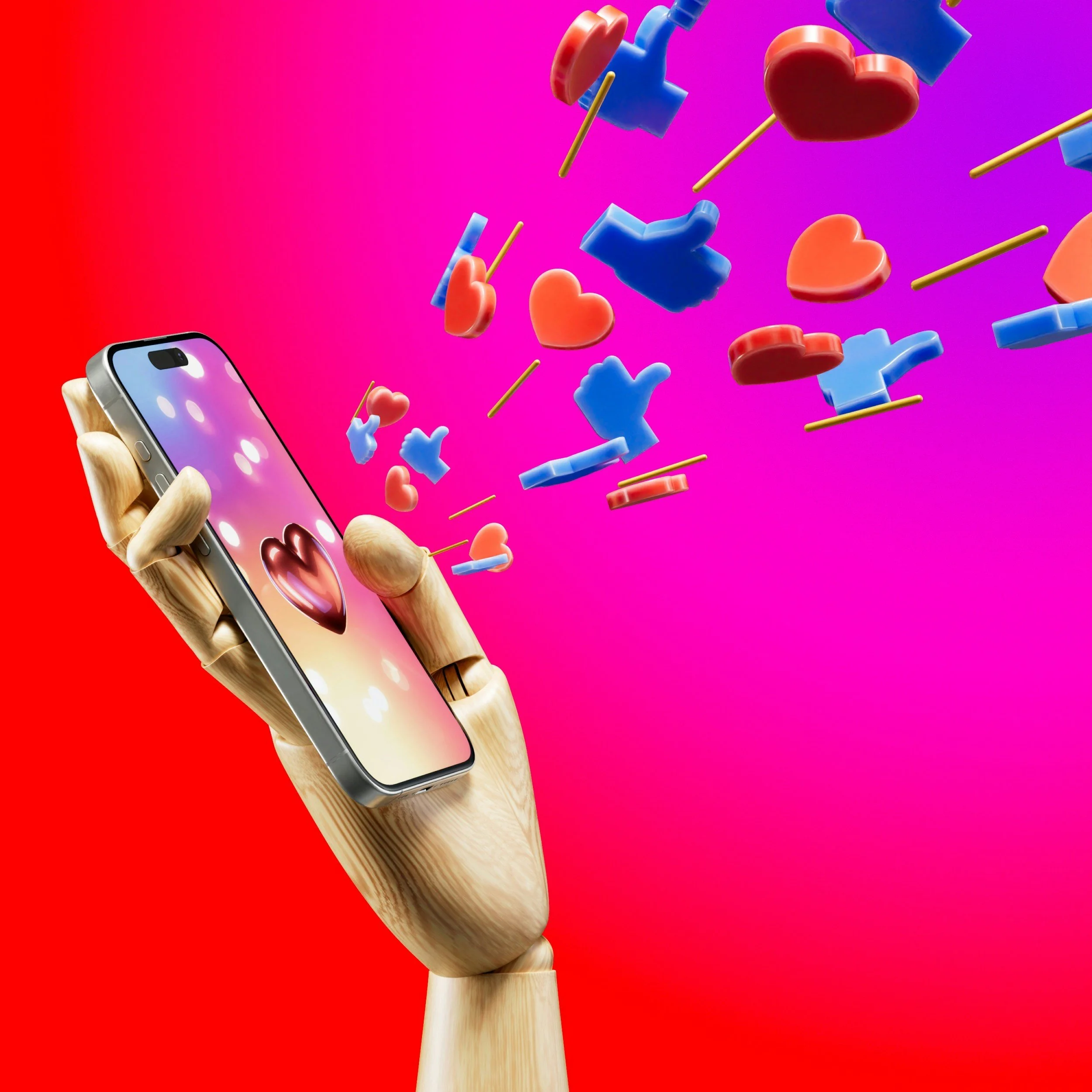
Likes, comments; notifications can trigger emotional highs and lows more than we realize. 💗📱Protecting your peace online starts with awareness and balance.
If social media use is contributing to anxiety, depression, emotional burnout, or self-esteem struggles, therapy can help. Speaking with a mental health professional provides a safe and supportive space to process emotions, build healthier habits, and develop coping strategies for emotional wellness.
Healing begins with awareness. Taking care of your mental health is not weakness—it is an investment in your overall well-being.
You deserve peace both online and offline.
📌 Need Support?
If you or a loved one are struggling with self-esteem, emotional overwhelm, or self-critical thoughts, professional support can help. Heart 2 Heart Therapy provides compassionate mental health counseling designed to support healing and emotional growth. Or If you’re feeling overwhelmed in your relationships, support is available. Reach out today to gain clarity, tools, and emotional support.
Supporting Mental Health in Our Community
At Heart 2 Heart Therapy, we believe emotional healing and self-compassion should be accessible to everyone. Individuals and families experiencing shame, self-criticism, anxiety, or self-esteem challenges deserve compassionate and professional support.
Our therapy services are dedicated to helping people develop healthier emotional patterns, improve self-worth, and find balance in their lives.
If you are looking for therapy support for self-esteem, emotional healing, or mental health counseling, Heart 2 Heart Therapy is here to help guide you toward a healthier and more compassionate relationship with yourself.
Heart 2 Heart Therapy proudly supports individuals and families seeking compassionate mental health care in Dearborn, Michigan and surrounding communities.

You don’t have to navigate anxiety, stress or emotional overwhelm alone.💙 Seeking support is a sign of strength, healing and self-care.
#MentalHealthAwareness #SocialMediaAndMentalHealth #StressAwareness #DigitalWellness #SelfCare #Heart2HeartTherapy #AnxietySupport