Understanding Cluster B Personalities: The Behaviors That Impact Relationships🤔

Cluster B personality disorders are often characterized by intense emotions, shifting identities, and complex relationship patterns.
Understanding Emotional and Behavioral Patterns
Mental health conversations have expanded over the years, but some topics still feel complex or misunderstood. One of those areas is Cluster B personality disorders—a group of conditions known for emotional intensity, impulsive behavior, and relationship challenges.
Understanding these patterns is not about labeling people—it’s about gaining clarity, awareness, and tools to protect your emotional well-being.
💡 What Are Cluster B Personality Disorders?

Cluster B personality disorders are a group of mental health conditions characterized by dramatic, emotional, or unpredictable behavior.
They include four types:
Narcissistic Personality Disorder (NPD)
Borderline Personality Disorder (BPD)
Histrionic Personality Disorder (HPD)
Antisocial Personality Disorder (ASPD)
Each has unique traits, but they often share similar emotional patterns.
🔍 Breaking It Down Simply
Let’s break it down like a fraction 👇
🔴 Narcissistic Personality Disorder (NPD)

Narcissistic Personality Disorder can involve a disconnect between outward confidence and internal emotional vulnerability.
Needs admiration
Lacks empathy
Seeks control
👉 “I need to feel superior.”
🟡 Borderline Personality Disorder (BPD)

Borderline Personality Disorder often involves intense emotional experiences, fear of abandonment, and difficulty regulating feelings.
Intense emotions
Fear of abandonment
Unstable relationships
👉 “Please don’t leave me.”
🔵 Histrionic Personality Disorder (HPD)

Histrionic Personality Disorder may present as attention-seeking behaviors driven by a deep need for validation and connection.
Seeks attention
Dramatic expression
Emotional intensity
👉 “Notice me.”
⚫ Antisocial Personality Disorder (ASPD)

Antisocial Personality Disorder can involve impulsivity, lack of empathy, and difficulty forming healthy emotional connections.
Disregards others’ rights
Manipulative behavior
Lack of remorse
👉 “Rules don’t apply to me.”
🧠 Why This Matters in Real Life
Individuals interacting with Cluster B behaviors may feel:
Emotionally drained
Confused or overwhelmed
Pulled into conflict cycles
Unsure how to respond
These patterns can affect relationships at home, work, and in social environments.
⚖️ Understanding vs. Enabling
It’s important to understand that these behaviors often stem from deeper emotional wounds or trauma.
However, understanding does not mean accepting harmful behavior.
Healthy awareness allows you to:
Set boundaries
Protect your peace
Respond with clarity instead of reaction
🌿 Protecting Your Emotional Well-Being
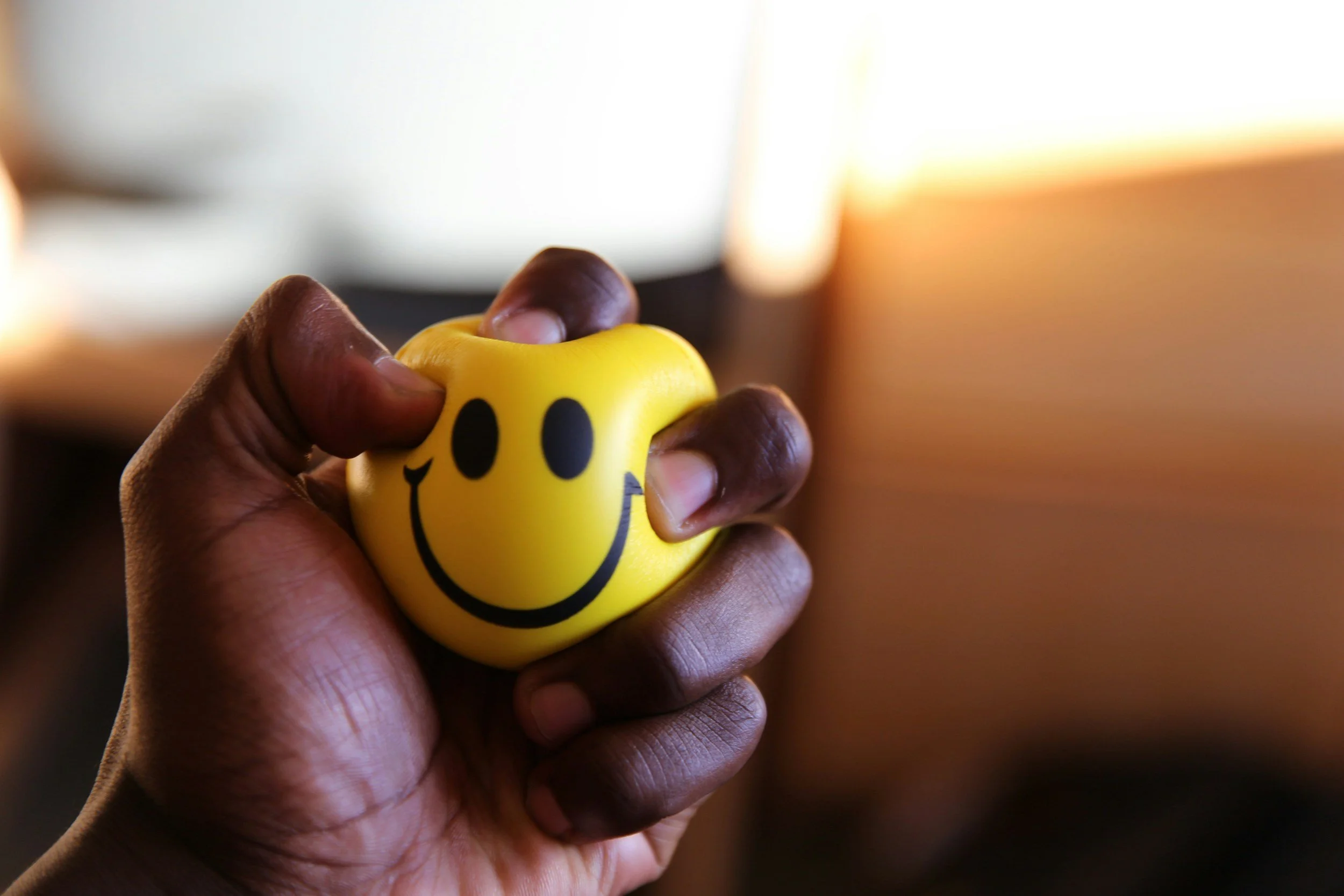
Protecting your emotional well-being starts with awareness, boundaries, and choosing environments that support your mental health.
If you are navigating relationships with intense emotional patterns:
✔ Set clear and consistent boundaries
✔ Avoid engaging in emotional escalation
✔ Take breaks when needed
✔ Stay grounded in your own reality
🧩 The Role of Therapy
Therapy can help individuals:
Process emotional confusion
Build self-confidence
Develop boundary-setting skills
Understand relational dynamics
At Heart 2 Heart Therapy, we support individuals navigating complex emotional relationships with compassion and guidance.
💛 A Gentle Reminder
You are not responsible for fixing someone else’s emotional patterns.
But you are responsible for protecting your own well-being.
📌 Need Support?
If you or a loved one are struggling with self-esteem, emotional overwhelm, or self-critical thoughts, professional support can help. Heart 2 Heart Therapy provides compassionate mental health counseling designed to support healing and emotional growth. Or If you’re feeling overwhelmed in your relationships, support is available. Reach out today to gain clarity, tools, and emotional support.
Supporting Mental Health in Our Community
At Heart 2 Heart Therapy, we believe emotional healing and self-compassion should be accessible to everyone. Individuals and families experiencing shame, self-criticism, anxiety, or self-esteem challenges deserve compassionate and professional support.
Our therapy services are dedicated to helping people develop healthier emotional patterns, improve self-worth, and find balance in their lives.
If you are looking for therapy support for self-esteem, emotional healing, or mental health counseling, Heart 2 Heart Therapy is here to help guide you toward a healthier and more compassionate relationship with yourself.
Heart 2 Heart Therapy proudly supports individuals and families seeking compassionate mental health care in Dearborn, Michigan and surrounding communities.
#ClusterB #MentalHealthAwareness #EmotionalWellness #BoundarySetting #TherapySupport #RelationshipHealth