What’s Your Attachment Style? A Simple Guide to Understanding How You Love and Connect

Connection begins with understanding how we love, trust, and feel safe with others. Your attachment style shapes the way you experience closeness, intimacy, and emotional security in relationships.
Relationships are one of the most meaningful—and sometimes most challenging—parts of our lives. Have you ever wondered why you feel deeply connected to some people, yet uncertain or overwhelmed in other relationships?
The answer may lie in your attachment style.
Attachment styles are patterns of how we connect, communicate, and respond emotionally in relationships. These patterns often develop early in life and continue into adulthood, influencing how we give and receive love.
Let’s break it down—simple, clear, and easy to understand.
💛 What Is Attachment Style?
Your attachment style is shaped by early experiences with caregivers and how safe, supported, or secure you felt growing up.
It affects how you:
Trust others
Handle conflict
Express emotions
Navigate closeness and independence
Understanding your attachment style can help you build healthier, more fulfilling relationships.
🔍 The 4 Attachment Styles (Broken Down Simply)

Even when we feel broken, we are still capable of love, connection, and growth. Your attachment style is not your limitation—it’s your starting point.
🟢 1. Secure Attachment
This is considered the healthiest attachment style.
People with secure attachment:
Feel comfortable with closeness and independence
Communicate openly
Trust others and themselves
Core belief:
“I am worthy of love, and I can trust others.”
🟡 2. Anxious Attachment
This style is rooted in a fear of abandonment.
People with anxious attachment:
Seek reassurance often
Overthink communication
Feel anxious when others pull away
Core belief:
“I need to hold on tightly so I won’t be left.”
🔵 3. Avoidant Attachment
This style values independence over emotional closeness.
People with avoidant attachment:
Struggle to open up
Avoid vulnerability
Keep emotional distance
Core belief:
“I’m safer relying on myself than others.”
🔴 4. Disorganized Attachment
This is often a mix of anxious and avoidant behaviors.
People with this style:
Want closeness but fear it
Experience emotional confusion
May have a history of trauma
Core belief:
“I want connection, but I don’t feel safe.”
🧠 Why Attachment Styles Matter
Your attachment style doesn’t just affect romantic relationships—it shows up in friendships, family dynamics, and even workplace interactions.
Understanding your style can help you:
Improve communication
Reduce conflict
Build emotional awareness
Strengthen boundaries
Create healthier relationship patterns
🌱 Can Attachment Styles Change?
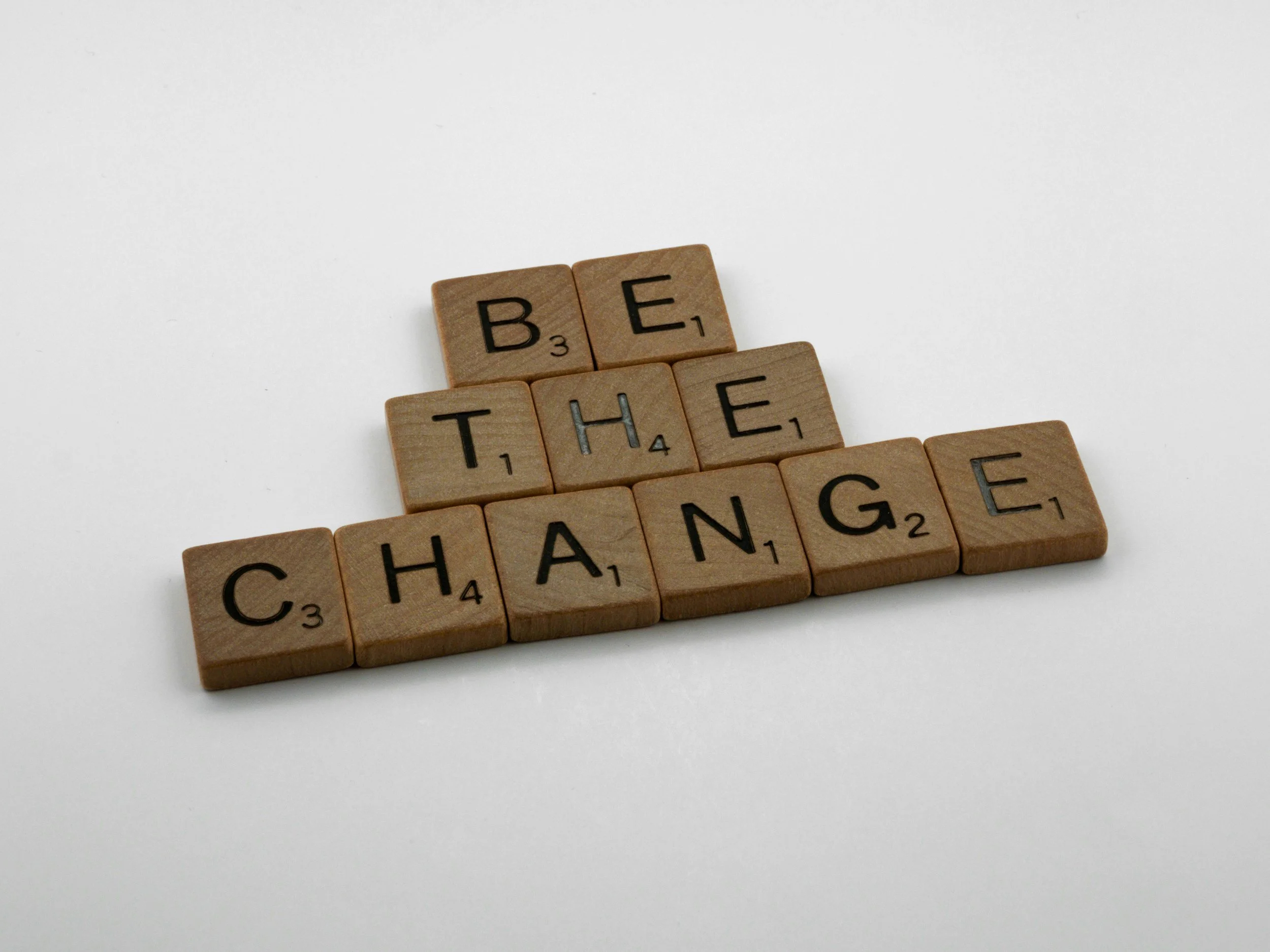
Attachment styles are not permanent. With awareness, support, and intentional work, you can create healthier patterns and stronger relationships.
Yes—this is the encouraging part.
Attachment styles are not permanent. With awareness, support, and intentional effort, individuals can move toward a more secure attachment style.
Therapy plays a powerful role in this process by helping individuals:
Identify patterns
Process past experiences
Develop healthier coping strategies
Build emotional safety
💬 A Gentle Reflection
Take a moment to ask yourself:
How do I respond when I feel emotionally close to someone?
Do I tend to pull away or hold on tighter?
What patterns do I notice in my relationships?
Awareness is the first step toward growth.
🚀 Call to Action

Awareness is powerful—but action creates change. Take the next step toward understanding your attachment style and building healthier relationships today.
Ready to understand your relationship patterns on a deeper level?
Take our 10-question Attachment Style Discovery and begin your journey toward healthier, more secure connections.
You don’t have to navigate relationships alone—support is here.
📌 Need Support?
If you or a loved one are struggling with self-esteem, emotional overwhelm, or self-critical thoughts, professional support can help. Heart 2 Heart Therapy provides compassionate mental health counseling designed to support healing and emotional growth.
Supporting Mental Health in Our Community
At Heart 2 Heart Therapy, we believe emotional healing and self-compassion should be accessible to everyone. Individuals and families experiencing shame, self-criticism, anxiety, or self-esteem challenges deserve compassionate and professional support.
Our therapy services are dedicated to helping people develop healthier emotional patterns, improve self-worth, and find balance in their lives.
If you are looking for therapy support for self-esteem, emotional healing, or mental health counseling, Heart 2 Heart Therapy is here to help guide you toward a healthier and more compassionate relationship with yourself.
Heart 2 Heart Therapy proudly supports individuals and families seeking compassionate mental health care in Dearborn, Michigan and surrounding communities.
#AttachmentStyle #HealthyRelationships #EmotionalWellness #MentalHealthAwareness #RelationshipGrowth