Happy Places & Safe Spaces: How Environment Impacts Emotional Well-Being🏡🌿✨

A safe, supportive space allows individuals to be heard, understood, and supported as they navigate life’s challenges.
Our environment plays a powerful role in how we feel, think, and regulate our emotions. Whether we realize it or not, the spaces we spend time in can either support calm, safety, and clarity — or contribute to stress, anxiety, and emotional overwhelm.
At Heart 2 Heart Therapy, we often remind clients that emotional healing doesn’t only happen internally. It’s also shaped by the environments we move through each day. Creating happy places and safe spaces can be a meaningful step toward improving emotional well-being for children, teens, and adults alike.
Why Environment Matters for Mental Health
The nervous system is constantly scanning for cues of safety or threat. Lighting, noise levels, clutter, color, and even scent can influence how regulated or overwhelmed we feel.
Supportive environments can:
Reduce anxiety and stress
Improve focus and emotional regulation
Support rest and recovery
Increase feelings of safety and comfort
Enhance mood and motivation
🧠 When the environment feels safe, the nervous system can relax — making emotional healing more accessible.
What Are “Happy Places”?
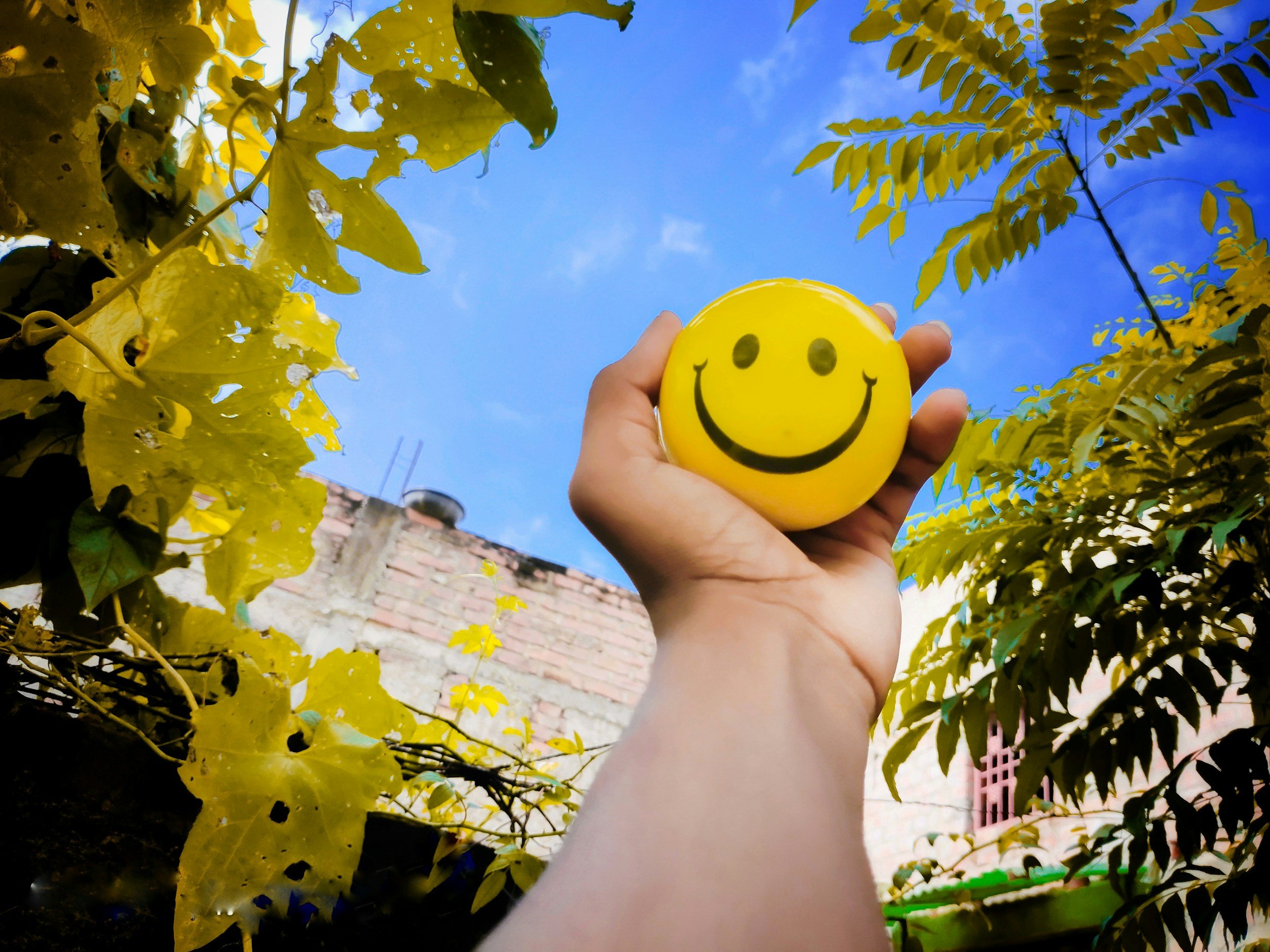
Small moments of positivity and awareness can make a meaningful difference in emotional well-being.
🌈 A happy place is any environment — real or imagined — that brings a sense of calm, comfort, or joy. It doesn’t need to be elaborate or perfect.
Happy places might include:
A quiet corner at home
A favorite chair or cozy blanket
Nature settings like parks, beaches, or trails
A room filled with meaningful items
A calming mental image used for grounding
Happy places help regulate emotions and provide a sense of escape from stress without avoidance.
What Makes a Space Feel Safe?
🛡️ Safe spaces are environments where you feel emotionally and physically secure — free from judgment, pressure, or harm. Safety is deeply personal and can look different for everyone.
A safe space may offer:
Predictability and routine
Emotional acceptance
Calm sensory input
Privacy and boundaries
Supportive presence
For children and teens, safe spaces help build trust and emotional expression. For adults, they provide relief from constant demands and overstimulation.
Creating Supportive Spaces at Home

Supportive guidance and encouragement help children build confidence, resilience, and emotional growth - one step at a time.
🏠 You don’t need to redesign your entire home to create emotional safety. Small, intentional changes can make a meaningful difference.
Try:
Decluttering one small area
Adding soft lighting or natural light
Using calming colors or textures
Incorporating meaningful objects
Creating a designated “calm corner”
✨ The goal isn’t perfection — it’s comfort.
Environment, ADHD, and Sensory Regulation
For individuals with ADHD or sensory sensitivity, environments can be especially impactful. Overstimulating spaces may increase emotional dysregulation, while calm environments support focus and balance.
Helpful strategies include:
Reducing background noise
Creating visual organization
Using sensory tools (fidgets, weighted items)
Offering movement breaks
Establishing consistent routines
Therapy can help identify environmental triggers and supportive adjustments.
Safe Spaces in Therapy and Relationships
🤍 Emotional safety isn’t limited to physical spaces. Safe spaces also exist within relationships and therapeutic environments.
At Heart 2 Heart Therapy, we strive to create a space where:
You feel heard and respected
Emotions are validated
Growth happens without judgment
Boundaries are honored
Healing thrives where safety is present.
Using Imagined Safe Spaces for Grounding
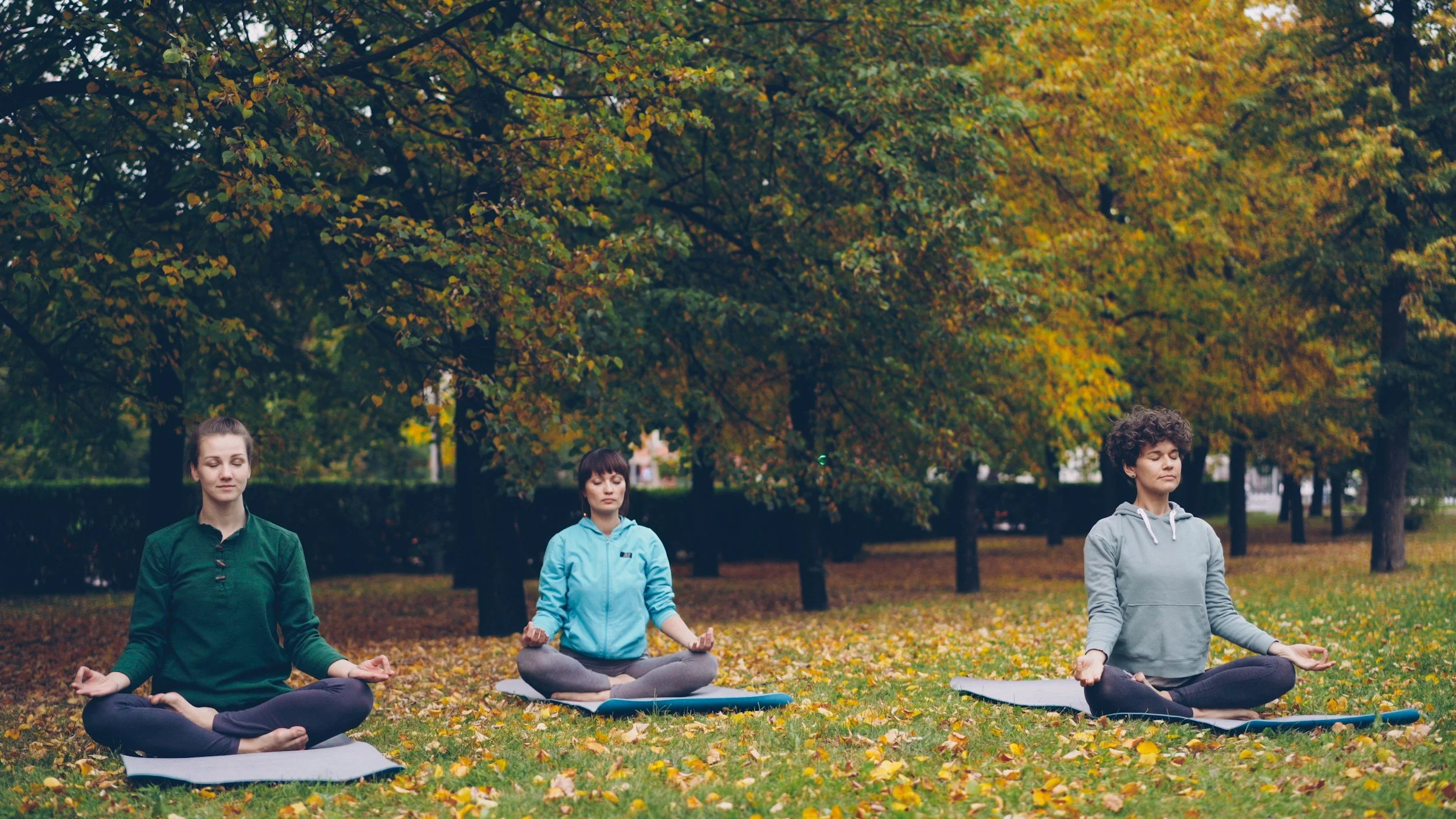
Imagined safe spaces help calm the nervous system and restore a sense of balance and safety.
🌊 Visualization techniques can be powerful tools during moments of anxiety or overwhelm. Imagining a safe or happy place can help calm the nervous system and restore emotional balance.
Simple grounding practice:
Close your eyes
Picture a place where you feel calm
Notice the sights, sounds, and sensations
Breathe slowly
This practice is often used in therapy to support anxiety and trauma recovery.
A Gentle Reminder from Heart 2 Heart Therapy
Your environment matters — and you deserve spaces that support your emotional well-being. Creating happy places and safe spaces is not indulgent; it’s an act of care.
At Heart 2 Heart Therapy, we support individuals, teens, couples, and families in building emotional safety both internally and externally — one intentional step at a time.
Ready to Create More Emotional Safety?
Scheduling a one-on-one session is as easy as 1-2-3. Reach out today and let Heart 2 Heart Therapy support your journey toward balance, comfort, and emotional well-being.
#MentalHealthMatters #EmotionalWellBeing #SafeSpaces #HappyPlaces #HealingEnvironment #AnxietySupport #ADHDSupport #TraumaInformedCare #IntentionalLiving #TherapySupport #Heart2HeartTherapy