Holiday Coping Skills: Reducing Anxiety, Stress, and Emotional Overload
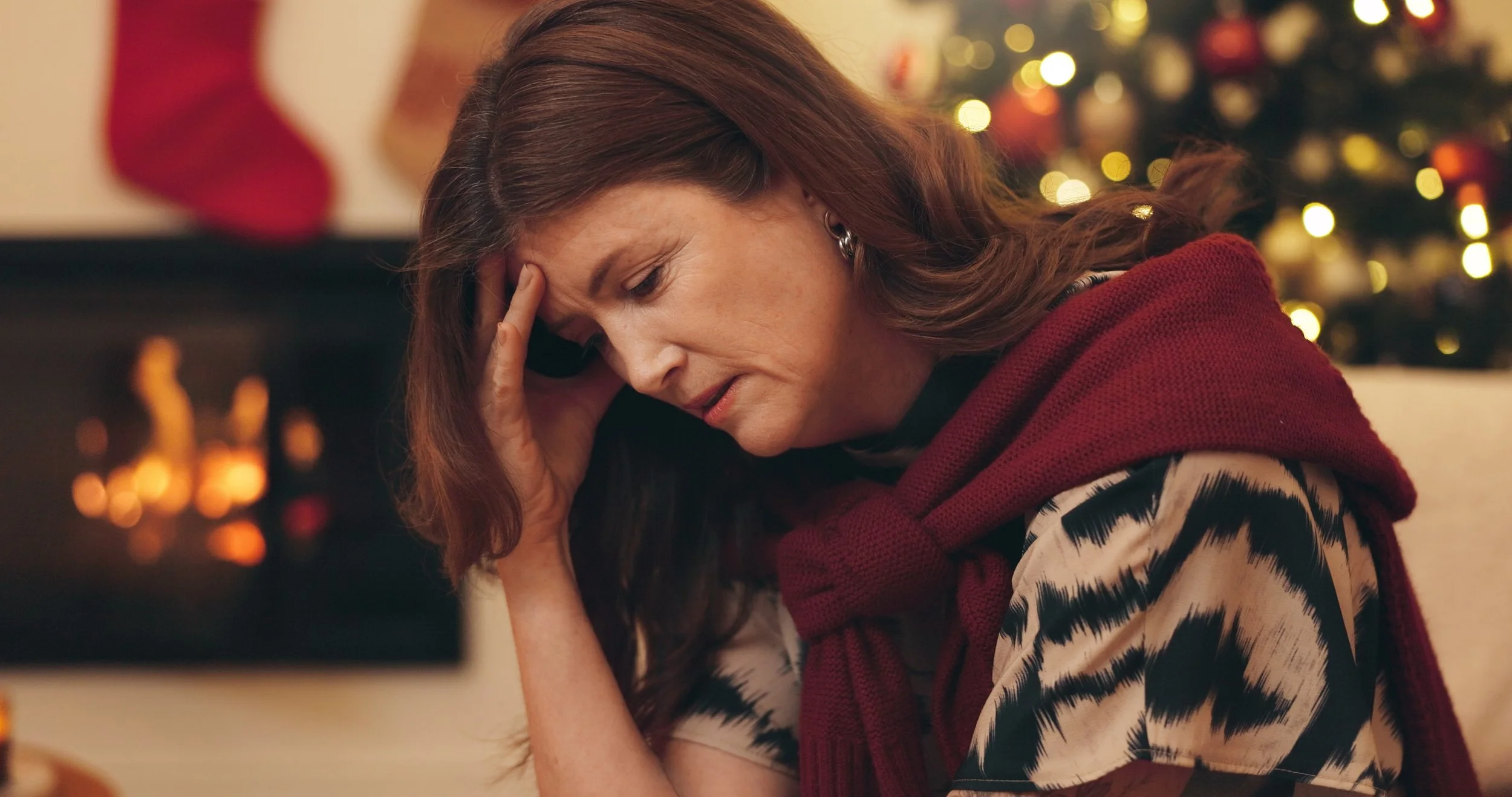
The holidays can feel heavy. It’s okay to pause, breathe, and care for your emotional well-being.
The holiday season is often described as joyful, festive, and full of togetherness. Yet for many individuals and families, December can feel emotionally overwhelming. At Heart 2 Heart Therapy, we know this time of year is one of the peak seasons for anxiety, depression, grief, family conflict, trauma triggers, and sleep disruption.
If you’re feeling more irritable, exhausted, emotional, or overwhelmed than usual, you are not alone — and nothing is “wrong” with you. The holidays place extra demands on our time, energy, finances, and emotional capacity. This blog offers practical, therapist-informed coping skills to help you navigate the season with greater balance, compassion, and care.
Why the Holidays Can Feel So Heavy
During the holidays, many stressors collide at once:
Increased social expectations
Family dynamics and unresolved conflict
Financial pressure
Grief and reminders of loss
Disrupted routines and sleep schedules
Sensory overload from noise, crowds, and activity
Pressure to “feel happy” even when you don’t
These factors can intensify existing mental health concerns such as anxiety, depression, ADHD symptoms, trauma responses, and mood instability.
The goal is not to eliminate stress entirely — but to reduce emotional overload and respond to the season more intentionally.
1. Boundary-Setting: Protecting Your Emotional Energy
One of the most important coping skills during the holidays is setting and maintaining boundaries.
Boundaries might include:
Limiting how many events you attend
Saying no without over-explaining
Leaving gatherings early when needed
Choosing not to engage in triggering conversations
Protecting rest time
Remember:
Boundaries are not about punishment — they are about protection.
It’s okay to prioritize your mental health, even if others don’t fully understand.
2. Navigating Grief Waves During the Holidays

Not everyone feels joyful during the holidays. Honoring your feelings is an important step toward healing.
Grief often feels louder during December. Whether you’re grieving the loss of a loved one, a relationship, a past version of yourself, or unmet expectations, the holidays can bring waves of sadness unexpectedly.
Helpful grief-supporting practices include:
Allowing yourself to feel without judgment
Creating space to honor memories
Lighting a candle or writing a letter to what you’ve lost
Letting go of traditions that no longer feel supportive
Building new rituals that meet your current needs
Grief doesn’t mean you’re failing the season — it means you’re human.
3. ADHD & Sensory Overload: Reducing Overstimulation

Holiday stress, anxiety, and emotional overload are more common than we realize—and support can make all the difference.
For individuals with ADHD — children and adults alike — the holidays can be especially overstimulating. Crowds, noise, schedule changes, and excess activity can lead to emotional dysregulation, irritability, or shutdown.
Strategies to reduce sensory overload:
Schedule quiet breaks throughout the day
Keep routines as consistent as possible
Use noise-canceling headphones or calming music
Step outside for grounding breaths
Lower expectations for productivity
Less stimulation often leads to more emotional regulation.
4. Cooling Family Conflict

Moments with family and friends can help calm holiday anxiety and restore emotional balance.
Family gatherings can activate long-standing patterns, unresolved issues, and emotional triggers. While you can’t control others, you can control how you respond.
Family conflict coping tools:
Take pauses before reacting
Use neutral phrases to disengage (“I’m going to step away for a moment.”)
Avoid alcohol if it intensifies emotions
Sit next to supportive people
Focus on short, meaningful interactions instead of long marathons
You are allowed to protect your peace — even around family.
5. Managing Depression & Mood Dips
Shorter days, disrupted routines, and emotional pressure can worsen depressive symptoms during December.
Supportive practices include:
Getting daylight exposure when possible
Maintaining gentle daily structure
Reducing comparison (especially on social media)
Prioritizing sleep hygiene
Staying connected, even in small ways
If your mood feels persistently low, heavy, or numb, therapy can provide additional support during this season.
6. Self-Care Rituals for Busy Weeks
Self-care doesn’t need to be elaborate to be effective. During the holidays, small, consistent rituals can make a meaningful difference.
Examples:
Five minutes of deep breathing
A warm shower or cup of tea before bed
Writing one thing you’re grateful for
Stepping outside for fresh air
Turning off notifications for an hour
Think of self-care as emotional maintenance, not indulgence.
A Gentle Reminder from Heart 2 Heart Therapy

When the season feels overwhelming, give yourself permission to slow down and protect your peace.
The holidays do not need to look perfect to be meaningful. It’s okay to move slower. It’s okay to say no. It’s okay to feel both gratitude and grief at the same time.
At Heart 2 Heart Therapy, we support individuals, teens, couples, and families through anxiety, depression, trauma, grief, ADHD, and life transitions — especially during emotionally demanding seasons like this one.
If the holidays are feeling heavier than expected, you don’t have to carry it alone.
Ready for Support?
Scheduling a one-on-one session is as easy as 1-2-3. Reach out today and let Heart 2 Heart Therapy support your emotional well-being through the season and beyond.
#HolidayCopingSkills #MentalHealthDuringHolidays #HolidayStress #Heart2HeartTherapy