Understanding ADHD: Support for Children, Teens, and Adults

Behind the pause, the overwhelm, and the racing thoughts is a mind doing its best.
🧠✨ ADHD is often misunderstood. While many people associate Attention-Deficit/Hyperactivity Disorder with childhood hyperactivity or trouble focusing, ADHD is far more complex — and it affects children, teens, and adults in unique ways.
At Heart 2 Heart Therapy, we regularly support individuals and families navigating ADHD. With the right understanding, tools, and emotional support, people with ADHD can thrive, build confidence, and develop strategies that truly work for their brains.
What Is ADHD?

ADHD isn’t a lack of effort — it’s a different way of processing the world. Understanding brings compassion, support, and growth.
ADHD is a neurodevelopmental condition that impacts attention, impulse control, emotional regulation, and executive functioning. It is not a lack of intelligence, effort, or motivation.
ADHD commonly presents in three ways:
Inattentive type (difficulty focusing, organizing, or completing tasks)
Hyperactive-impulsive type (restlessness, impulsivity, difficulty slowing down)
Combined type (a mix of both)
ADHD can look very different from one person to another, which is why individualized support is essential.
ADHD in Children & Teens
Children and adolescents with ADHD may struggle in school, social settings, or family routines. Common signs include:
Difficulty following instructions
Trouble staying seated or focused
Forgetfulness or losing items
Emotional outbursts or frustration
Sensitivity to noise, crowds, or transitions
Low self-esteem from repeated correction
During the holiday season, ADHD symptoms can intensify due to schedule changes, sensory overload, excitement, and lack of routine.
💡 Therapy helps children and teens:
Build emotional regulation skills
Improve focus and organization
Learn coping strategies for frustration
Strengthen confidence and self-worth
Support parents with consistent strategies
ADHD in Adults
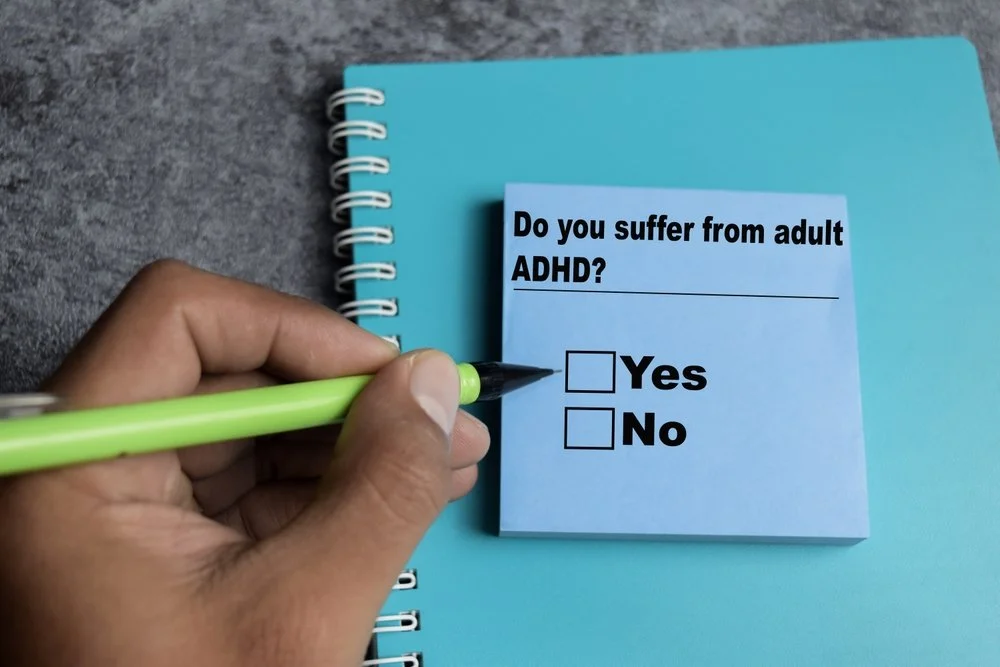
Many adults live with undiagnosed ADHD for years. Awareness is the first step toward relief and self-compassion.
Many adults live with undiagnosed ADHD for years. It often shows up as:
Chronic overwhelm or burnout
Difficulty managing time and responsibilities
Trouble finishing tasks
Forgetfulness
Emotional sensitivity or mood swings
Feeling “behind” or misunderstood
Adult ADHD can affect careers, relationships, parenting, and self-esteem — especially when combined with anxiety or depression.
💬 Therapy provides adults with:
Tools for structure and time management
Emotional regulation strategies
Support for anxiety and self-doubt
Boundary-setting skills
Compassionate understanding without judgment
The Emotional Side of ADHD

Children with ADHD aren’t misbehaving — they’re communicating unmet needs. Understanding changes everything.
One of the most overlooked aspects of ADHD is emotional regulation. Many individuals experience emotions more intensely and may feel overwhelmed more quickly.
This can lead to:
Anxiety
Depression
Shame
Frustration
Sensitivity to criticism
At Heart 2 Heart Therapy, we focus not only on behaviors, but also on how ADHD impacts emotional health and self-perception.
🌱 ADHD is not a flaw — it’s a different wiring that deserves understanding and support.
ADHD & Sensory Overload
Sensory overload is common for individuals with ADHD, especially during busy seasons like December. Bright lights, noise, social gatherings, and changes in routine can lead to emotional exhaustion or shutdown.
Helpful coping strategies include:
Creating predictable routines
Scheduling quiet breaks
Limiting overcommitment
Using calming tools (music, movement, grounding exercises)
Communicating needs clearly
Therapy can help identify triggers and create personalized coping plans.
Supporting Families Affected by ADHD

Therapy helps turn ADHD challenges into strengths — one step, one skill, one moment at a time.
ADHD doesn’t just affect the individual — it impacts the entire family system. Parents may feel exhausted, confused, or unsure how to help. Siblings may feel overlooked or frustrated.
👨👩👧👦 Family-focused therapy supports:
Better communication
Reduced conflict
Clear expectations and routines
Parenting strategies rooted in understanding, not punishment
Stronger emotional connection
When families learn together, everyone benefits.
How Therapy Helps ADHD Thrive

At Heart 2 Heart Therapy, we support children, teens, and adults with ADHD through understanding, compassion, and practical tools.
At Heart 2 Heart Therapy, our approach is strengths-based, client-centered, and compassionate. We help clients understand how ADHD affects their thoughts, emotions, and behaviors — while building skills that promote confidence and success.
✨ Therapy for ADHD may include:
Emotional regulation skills
Executive functioning support
Stress and anxiety management
Self-esteem building
Parenting support
Trauma-informed care when needed
There is no one-size-fits-all approach — and that’s okay.
A Message of Encouragement

Adult ADHD can feel like constant mental noise, emotional overload, and exhaustion — but support makes a difference.
If you or your child struggles with ADHD, know this:
💛 You are not lazy
💛 You are not broken
💛 You are not alone
With the right support, ADHD can be managed in healthy, empowering ways. Understanding is the first step toward growth.
Ready for Support?
Scheduling a one-on-one session is as easy as 1-2-3. Reach out today and let Heart 2 Heart Therapy support you or your family with clarity, compassion, and care.
#ParentingSupport #Heart2HeartTherapy #MentalWellness #UnderstandingADHD